What is it like to traverse the middle of Alaska by train? After months of research and preparation, hubby, friends, and I hopped on the Alaska Railroad’s flagship train- the Denali Star– to discover the interior of the last frontier- the 49th State- Alaska! And it was splendid!
A little background: I’ve been captivated by the idea of riding a dome rail car for quite some time. In fact, travel by train has piqued my interest for years! That is why I gravitated to the Alaska Railroad booth at the 2025 LA TRAVEL and ADVENTURE SHOW. I was so impressed with the presentation that I immediately reached out to their corporate office to see if I could become a media ambassador. I truly wanted to experience the Alaska Railroad, not only as a mature adult who likes to travel “gently”, but on behalf of the families I know who are seeking vacation options that could accommodate their children with special needs. Within a few days, I received an official invitation. Now to prepare for the trip – and pack!
Preparing for the Alaska Railroad Experience
The best way to prepare for your trip aboard the Alaska Railroad is to start at the website. Here you will find all the routes, the time schedules, and ticket fare prices. Also, you will have an opportunity to contactthe rail company of any special considerations, such as if someone is in need of assistance to board the train.
Know that the Alaska Railroad is not “sunshine and warm months” only! You can even ride the Aurora Winter train to view the Aurora Borealis (Northern Lights)! The number of seats is limited for these cold-weather excursions, so be sure to book well in advance!
The Denali Star from Anchorage to Fairbanks depots is 356 miles and takes 11 hours and 40 minutes (plus stops). Hubby and I opted to break up the trip into two segments. Day 1, we rode the train from Anchorage to Denali on the GoldStar service car. We were joined by friends from North Carolina who extended their stay in Denali, but made the ride even more special!
Our trip started at the Alaska Railroad’s hub in Anchorage. This is a beautiful old depot and proved to be the perfect backdrop for setting the tone of the trip. Our first stop – the ticket office. To receive your tickets, we needed to show our government-issued ID (Driver’s License or Passport) and received the tickets with a helpful booklet. We were also given some brief instructions on how to drop off any luggage and the shuttle service that would be awaiting us at the Denali Depot, our first overnight stop. GoldStar passengers also received a cute pin. A nice souvenir!
I was happy we arrived with enough time to grab a quick cup of coffee at the depot and take a look in their gift shop. Yes, I made a purchase before the clock struck 8 a.m.! A cute Denali Star t-shirt and a book for our new grandbaby!
Next, we listened for boarding announcements. All in all, the process was orderly. However, hubby has a hearing loss, and understanding the directions was a bit problematic given the background noise within the depot. We managed, but if you are Deaf / Hard of hearing, you may want to stand close to the doors where there may be signage to help guide you.
Upon entering the train, we quickly found our seats. There was a tray table and an area to hold my electronics and books. Huge windows and a dome window made every angle of the railcar like watching a movie! Shortly after we lleft the station the GoldStar passengers were divided into two groups. This was due to two seatings for the meals. Our day included being served both breakfast and lunch – and it was fancy with real linens and china! The menu was limited, but there was enough variety to please all in our party. I tried the reindeer sausage – and I liked it!
Once we settled back in our seats, we were treated to the ever-changing vistas! Spruce, birch, and many other varieties of trees adorn the landscape, juxtaposed with mountains, streams, and rock formations. I toggled between our seats and the viewing car at the back of our train car. This was an outdoor section that let us feel as if we were immersed in nature! We were told to be on the lookout for any wildlife- including eagles, moose, caribou, and bears! Passengers were encouraged to “shout out” if they spotted anything extraordinary – like a moose! During our trip, we spotted some birds (eagles) and some smaller animals. Sadly, the moose and bears were either too far away or hiding!
Throughout the eight hours, the docents demonstrated their knowledge and entertained us with facts, figures, trivia, and even a bit of folklore!
What makes this trip extra special is that the Denali Star is renowned for its breathtaking journey through the majestic Talkeetna Mountains, traversing alongside and over picturesque waterways like the Indian River, Chulitna River, and the Nenana River. As you embark on this scenic ride, keep an eye out for the iconic “Denali“, the name derived from the Tanana Indian word for “HIGH ONE” or “GREAT ONE.” On very clear days, you can catch a glimpse of this majestic mountain starting at rail mile marker 233. From vantage points, you’ll be able to admire the highest peak in North America, standing tall on the south side of the national forest. (It’s worth noting that the Denali National Park spans an expansive area of 6 million acres, surpassing even the state of Massachusetts in size!) Weather conditions play a significant role in determining whether this magnificent mountain is visible.
After 8+ hours, we arrived at the Denali Train Depot. There we were met by a driver for the Princess Wilderness Lodge who took our luggage and made sure we were easily transferred from point A to point B. It is remarkable how seamlessly the railroad and hospitality companies work in perfect tandem. Truly – a well “oiled” machine!
The second day aboard the Denali Star was equally as thrilling as the first. There were times that the scenery and the mechanics of the train took my breath away! Passing by small towns that are sustained by coal mines and others that have less than 30 people was so fascinating to this gal from Los Angeles!
I also had an opportunity to ride in the closed dome of the Adventure Class Car, which proved to be very exciting! I almost felt like I was the conductor!
The Crew is the Heart of the Denali Star
Sara H. is a longtime employee of the Alaska Railroad and a mom to a teenager, “J”, who happens to be on the Autism Spectrum. I had an opportunity to interview Sara about her work with the railroad. She also provided insight about how the Alaska Railroad accommodates passengers and employees with children with special needs. And I think she may be the coolest mom!
A FEW TIPS for ALASKA RAILROAD TRAVELERS
I hope I have piqued your interest in the Alaska Railroad. Let me conclude with some details about the GoldStar and Adventure Class options, dining information, and how to connect with the Alaska Railroad. And, of course, photos for your enjoyment!
FEATURES:
• Glass-dome ceilings
• Upper-level outdoor viewing platforms
• Inclusive dining at the lower-level full-service dining car
• Private bar and two complimentary adult beverages
• Comfortable forward-facing seats
• Alaskan tour guide providing narration
• Fully accessible ** Only available on the Coastal Classic and Denali Star trains. ** The cost is more expensive than the Adventure Class - but for travelers looking for a premium rail experience this is worth it!
FEATURES:
• Confirmed seat with large picture windows
• Onboard dining and bar service available for purchase in the Wilderness Café*
• Freedom to explore between Adventure Class cars
• Access to open seating in Vista Dome car (summer only; excludes Glacier Discovery Train)
*Excellent choice for families as there are tables available for board games and meal time *No dining or bar service on the Hurricane Turn Train.
The Alaska Railroad's GoldStar Service Car
The GoldStar Service dome car makes you feel as if you can "touch" the sky!
ADVENTURE CLASS SEATING
Need to charger your devices? No problem - there is a special charging area on the train!
A fully equipped kitchen for Adventure Class passengers
A number of tables are available
The blueberry cookies were amazing!
Disclaimer:
Louise Sattler was an invited as a media ambassador guest for this trip on the Denali Star. As a media content creator, this article expresses authentic content. The opinions are those of Louise Sattler and her interviewees. All Rights Reserved. 2025
Spain and Portugal are two of the most popular “post-pandemic” travel destinations. Scores of people already have flocked to the south of Europe – including me! And many more are expected to make the trip.
As I traversed these countries by plane, train, auto, tuk-tuk, and boat – I realized that there was much I wanted to share regarding accessibility and inclusion for people with mobility, vision, and/or hearing challenges. I also kept in mind how families with members on the Autism spectrum could travel with the least amount of disruption. Thus, I decided to write this blog as a “guide” or a set of “tips”. By no means is what I will offer below an exhaustive list – but just some information I learned along my journey. These tips were written for travelers coming from the United States to Spain or Portugal. And by all means- add your tips in the comment section.
TIPS for FLYING to EUROPE from the UNITED STATES
TIP 1 – Prepare by researching which airline, Hotels, land transportation, and attractions will meet your needs. Price may be a top consideration. But, being comfortable on your flight, cared for, and safe should be very important, as well.
Several airlines fly to Spain and Portugal. (Among other cities in Europe and beyond). Here are the airlines’ links to essential information for those who need assistance and have special needs. Also, a few airlines have bonus features, such as United Airlines’ social stories, on their websites.
AMERICAN AIRLINES– AA asks that you alert them to your needs for special assistance during your booking process. They have a full concierge of services that are outlined here.
BRITISH AIRWAYS – People requiring special assistance flying “BA” should alert the airline via the MANAGE BOOKING setting on the reservation. Here you will find this documentation and guide for how they can assist you.
IBERIA- Document regarding helping people with special needs or considerations
TAP AIRLINES (Air Portugal) – This airline does not seem to have a guide that lists services and how they will help someone who needs assistance until you complete their form found here.
UNITED: This airline also has an excellent reference page with the services they offer their passengers in need of extra assistance.
**United’s page can be found on their website here. A shout-out to this airline for adding a social story for those with sensory needs or autism. These stories help to prepare children and adults for social situations that could be out of their routine or cause general anxiety. They help to prepare the person as to what to expect when arriving at the airport, going through check-in, the gate, the waiting area, the gate to load on the plane, and the plane itself. This story even adds photos that help a person to know exactly what to expect. Bravo United Airlines!
TIP 2- Make arrangements for any service animals well in advance.
If you have a service animal please contact each airline well before you leave for any airport. There may be information that is needed well in advance and any place where you will have a stop along your route. Even if it is a short layover at London Heathrow Airport – England- there may be special considerations. The links shared above also have information about service animal restrictions, documentation, communications (such as rabies vaccines), etc.
TIP 3- Pack your carry-on luggage wisely
Make sure that you have all medications, essential documentation, a change of clothing (or more than one), battery chargers, extra oxygen canisters, etc. with you in case your checked baggage does not arrive when and where you do. Noise-canceling headphones may be the “best friend” for someone with sensory issues to sound. Also, a personal tablet chocked full of favorite games, audiobooks, captioned videos, etc. will help pass the time and be a great backup in case there is a technology “fail” while you travel. I find the Kindle Fire or iPad to be two very reliable devices that work well. Don’t forget electric converters, too. (The voltage is different in Europe than the US.)
TIP 4- If you are taking a tour be sure to communicate with the tour company your needs.
Communicaiton is key. This includes telling the tour company of any challenges you may have and modifications or accommodations you may need. Do you need extra stops for bathroom breaks? Do you need to have special dietary meals? Are you in need of assistance to go on and off a bus? Remember that other countries may not have disability laws (e.g. ADA), expect some differences and even inconveniences. For example, cobblestone streets are truly throughout Europe. We found that older cities, such as Toledo, Porto, and Lisbon were very hilly and filled with cobblestone streets. While charming, they are difficult for anyone to walk, especially in the rain.
NOTE: Vehicles are smaller in Europe, most likely to accommodate the narrow roadways. If you need an SUV for a wheelchair you may ask for the dimensions and to let the people know why. The SUV I just rented could not accommodate four people, luggage, and a wheelchair. Not a chance!
Also, the popular TukTuks vary in size and accessibility. We drove in some that were easy to get on and off and another that required significant athletic abilities!
Consider taking a car hire service such as Daytrip.com . This way you are door to door and have someone to help you. They also have experienced drivers with full-service vehicles that are large enough for a wheelchair.
TIP 5- Do not expect Hotels, museums, and public attractions (such as palaces and churches) to be inclusive/accessible or smoke free.
I spent a good deal of my time while visiting various churches, museums, and palaces inquiring where there were printed materials for the deaf as the audiotapes were so bad that a person with normal hearing probably couldn’t comprehend half of what was said, let alone anyone with difficulty hearing. The majority of my requests resulted in some answers that began with – “Sorry” and ended with “fill out this suggestion form.” How frustrating! So, my advice would be to print as much about the places you plan on visiting as possible. Perhaps an online guide or another resource. This way you will be able to enjoy the synagogues of Toledo, the Picasso Museum, or the Royal Palace in Madrid.
Also, note that the entries to these places are often with multiple steps and no ramps. Check first about walkability for popular tourist spots including the Alhambra in Granada, Sintra outside of Lisbon, and Barcelona. Plus, the hordes of people inside museums, etc. make getting about with a wheelchair or walker tricky.
Ambient noise also makes amplification equipment difficult – such as hearing aids. The PRADO is beautiful and worth visiting, but keep in mind it is crowded and noisy during their free evening hours. Consider going on a small/individual guided tour with a docent during the days and hours when the museum is least crowded.
CHECK YOUR HOTEL BEFORE RESERVING ABOUT BASICS…
Believe it or not, we stayed in more than one hotel that did not have a customer elevator that could accommodate a wheelchair. And, these were major hotel chains. We also noticed many boutique hotels did not have ramps, wide doors, or elevators. This would be very problematic and most likely impossible for a person with mobility needs to stay there. Cobblestone streets made it crazy for us to walk with luggage- let alone if we were someone with any mobility challenges. Streets were often too narrow for a van to drive, as well – thus preventing door-to-door service. Sigh!
Moreover, closed captioning options were not available on some of the older televisions in our hotel rooms. And, only a handful of hotels had technology that would be considered “standard” in the United States – such as braille in the elevators, or flashing lights to alert that there is a fire alarm ringing.
What about dining?
Portugal and Spain are known for great restaurants that are accessible with ample outside seating. The problem is that there is a “catch-22′. While these seats are great for people who wish extra room and easy access – they also are where people who smoke cigarettes tend to convene, as well. Sigh.
TIP 6 – Use language translation apps to help ease and promote communication
Many excellent cell phone applications can be useful to help with communication. It would be advantageous to pre-program key phrases – such as – I NEED HELP,I HAVE A MEDICAL ISSUE (e.g.diabetes, heart condition, etc.) Of course, Google Translate is the “gold standard”.
TIP 7 – Identification is key.
Be sure to place wearable identification on yourself and your loved ones. Especially children or adults with special needs. We know many people with Autism wander (e.g. elopement). In the event of being separated, it would be very important to have identification on their person. There are many wearable items – including medical alert necklaces and bracelets. And, it has become more commonplace to use “tracker” devices – such as the Apple AirTag, Android Tile, and Galaxy SmartTag. A little investment could be a lifesaver – literally!
In closing, the key to travel for anyone, including people with disabilities or challenges, is to 1) Plan and be prepared 2) Communicate with airlines, hotels, etc. any special assistance you may need 3) Read reviews on multiple sources to be sure that you have the full picture of what to expect and/or consider using a travel serivce to help you plan for this special vacation.
I. Love. To. Travel. And, as you probably know from reading this blog – I enjoy sharing my travel experiences. I often say, “Travel is simply taking educational opportunities – on the road”.
However, travel can be much more difficult if you have barriers – such as those experienced by individuals with physical, mental, and/ or sensory challenges. I have noticed establishments that simply do not provide accessible or inclusive environment. While many places are demonstrating a better understanding of how to make their venues more welcoming – there is a lot of room for improvement.
I would like to showcase the organizations that get it RIGHT. So, I wrote a letter to all with links and lists for helping you plan a great vacation.
Dear Readers,
I am excited for you or your family to be venturing away from your home to discover various parts of the United States. There is so much to experience and learn from travel. I personally find the value of travel to be an extension of what happens within the classroom. It is my hope that my information below will help you to plan for a safe and fun trip. Please note that I am one of many who travel and blog – so be sure to check out other articles on this topic.
Why am I writing this letter to you? I am a frequent traveler, school psychologist, and a parent. I seem to be hyper vigilant for looking at situations through multiple lenses. Does this hotel have good accessibility for people with mobility issues? Can a person safely cross this street if blind? Does the venue offer interpreters for the Deaf or sensory accommodations for a person on the autism spectrum? And, so on.
It is because I have the utmost admiration for families who love to travel together that I want ALL to have a great experience, including equal access and inclusion.
PLAN!!! While a quick spontaneous trip can be fun, don’t underestimate the value of good preparation. Here are some tips that may be helpful –
There is very little consistency among hotel chains, restaurants, or theme park attractions when it comes to accessibility and being inclusive to all. So don’t forget to pack a hefty dose of patience along with your toothbrush!
Hint 1: Travel to family friendly places, especially if this is your first trip.If you are a solo traveler consider group travel to places that cater to large and diverse crowds.
Many people cite the Disney theme park properties as the most “special needs” friendly in the United States. And, I have witnessed that around the globe, too, Disney gets it right – most of the time. As does Disney Tokyo, Disney Paris, etc. They are a big corporation with much money and resources at their disposal. They also are dedicated to educating their staff about inclusion. So, I tip my proverbial hat off at Disney and their employees.
Here is the downside. Disney theme parks are super expensive for most families. Often people save years to enjoy a week with “the mouse”. Look for bargains when you decide to visit Disney properties. See if any organizations you belong to (or the grandparents) offer discounted tickets or places to stay.
Discount tickets for Disney parks have been available at these places (and hope they are still there!)
Once you have planned your trip, consider connecting with Disney representatives to learn about accommodations in the park. Here are two Disney guides for families who have family members with autism and or cognitive disabilities.
Also, there are additional parks and attractions that offer access and disability information. Their links can be found on the list below. Note that these places try to make the information easy to read – but sometimes these guides can be daunting. So, be sure to read ahead of time during your “planning” the trip phase.
Roadtrippers magazine also listed some of the most accessible parks in the United States. Here is their excellent article.
For your consideration: I am a big fan of using a reputable (in person) travel agency for planning vacations that are more than just an overnight and involve a lot of people and “moving parts”.
Next… packing for your trip. It is impossible to bring all the contents of your home with you – but in the case of a child or adult with special challenges you have to be extra careful to remember key items. Not only should you bring all the items for daily living needs (plus extras). But be sure to add to your suitcase medications for the time you will be gone – and additional in case of an unexpected extended stay. You list also should include some comfort items are those that can make a difference with your stay. Such as a night light, a small fan to block out noise from other rooms, and personal soaps or shampoos for those with sensitive skin or adverse reactions to smells. Noise cancelling headphones, an iPad or laptop, and favorite pillow or blanket(s) can make all the difference in the world. (Especially if someone uses a weighted blanket for comfort.) Also, bring snacks and drinks that are “must haves” for your family members.
Tip: Call ahead when making your hotel reservation. Depending on your family’s needs – ask for a room that makes your life easier. Need to be closer to the elevator – just ask. Need a handicap accessible room? Request it. Need a key with braille? Ask them for that, too. Ask if they have a room with special lights and adaptive equipment if you are traveling with someone who is Deaf. And, if you have a child or adult who is vocal – ask for a room that is more secluded from other guests so you don’t feel that you may be disturbing them.
Also, consider bringing a door alarm if you have concerns of elopement (fleeing). I travel with the STEP OFF alarm for personal security. Yet, it also is great to keep those who wander (including people with Alzheimer’s) safe.
If you are a solo traveler consider using a reputable travel agency that has knowledge about opportunities for travel that accommodates people with unique challenges. Deaf travel agencies are also available.
I did a little research on this subject and found these links to help (However, use your due diligence, as well.)
“Welcome to Signing Families”. I first wrote those words “officially” in 2006, the year that Signing Families became an educational / instructional company focused on teaching novice learners how to communicate with sign language.
Since then, hundreds of classes and sign language trainings have been conducted and thousands of DVDs and sign language communication charts have been sold or donated to people across the globe. My goal is simple – to build communication bridges one sign at a time.
How did it all begin? Well… one day while I was a School Psychologist working at an elementary school I was asked to attend a special education IEP meeting with a parent who had a child with moderate – severe Autism. Our school based team had just recommended that to help try to facilitate spoken speech or any communication, she may want to consider taking sign language classes. With tears in her eyes she looked at us and asked one simple question, ” Who will watch the child you just told me needs 1 on 1 assistance in his special education self-contained classroom due to his severe needs while I leave for hours to learn sign language?”
My heart stopped. As a mom of two children, I knew exactly what she meant. I had a child who was born with conditions that meant he needed specialized babysitting when he was a baby. I could relate to the challenges that this parent was facing. There was no way she would be able to leave her child with a “regular” babysitter. She was a single parent. She had limited financial resources. She was frustrated. But, most of all – she was upset because she couldn’t provide the one thing she yearned most for her child – an ability to learn to communicate.
That night, I couldn’t sleep. I kept tossing and turning because I continued to hear her voice… “Who will watch the child you just told me needs 1 on 1 assistance..?” The next day I decided I needed to help this mom. It just wasn’t fair. She was dealt a tough situation and we just made it worse. That was unacceptable. So, after a while I created a temporary “fix”, I would make a sign language video with a few dozen basic words and put it on a basic DVD.
Word got out and before I knew I was in the DVD business – making dozens of copies for teachers, friends and even for relatives of people I didn’t know. The phone kept ringing. Email requests flooded my inbox.
That is when “Hubby” said… “I think you have something here.” So, we enlisted some talented people to help create the first DVD from Signing Families: Baby, Toddler and Preschool Sign Language with Louise Masin Sattler and Friends. The differentiator between my DVD and many others was that the audience was “language role models” and not kids. There were no dancing bears or signing birds. Moreover, I open captioned the DVD and added a Spanish – English – Sign Language component. I did this because there was virtually very little sign language instruction available for parents of children with communication needs who were from Spanish speaking homes but living in the United States or Canada.
Communication charts
Emergency Sign Language DVD
DVD sales started off slowly but then the momentum kicked in when Borders and Barnes and Noble started to order. Before long sales were in the hundreds, then thousands. I then created ancillary components to the DVD. A sign language chart to help with expressing WANTS and FEELINGS. This was followed by a website with a plethora of free learning opportunities. And, a very full nationwide training schedule for special needs groups, schools, preschool programs, Head Start and much more.
In 2010 my second DVD series and training program launched. The Sign Language For Emergency Situations was born out of necessity. Simply, we as a nation were not offering equal access communication opportunities to those who were Deaf or had limitations with functional needs. I have written about my journey in the field of emergency management on this blog before. Please feel free to ask me about resources in the comment section below.
Now it is 2019 and the world is a different place than 2006. Instead of DVD sales we have ‘streaming”. So, that means that I have to make a shift in the way I reach an audience. I have uploaded many free YouTube videos for people to either start learning sign language or continue honing their basic skills.
I must confess, a year ago I nearly closed Signing Families. I had lost my “WHY”. I wasn’t selling huge lots of product or traveling as much for trainings. I was the “lost entrepreneur”. But, then I started to look over boxes of materials I saved. Letters from families. Drawings from children. Emails from teachers. Commendations from First Responder groups. I was humbled and knew that I couldn’t stop. I just needed to reinvent. So, I started to teach ASL at a high school, I began to think of new ways to reach an audience yearning to learn to sign and clicked the keys of my laptop once more to inspire parents and teachers via media articles not to give up. At last, I remembered my WHY.
So… dear readers – thank You for allowing me to tell my story. You are groovy, indeed!
Too close to home. San Bernardino is too close to home.
As a psychologist and the owner of an educational company that focuses on matters of communication and safety, I have trained First Responders on how to engage and communicate with those who have unique circumstances – such as Autism or Deafness. I have trained thousands of emergency responders how to help evacuate people who don’t communicate verbally, use sign language or don’t speak English as their first language. Most of the practice scenarios were in case of an earthquake. tornado or vehicular accident.
But yesterday it wasn’t a practice scenario. It wasn’t a workshop video.
Yesterday it was REAL LIFE.
Real people. Real suffering. Real blood. Real tears.
Yet unreal. Surreal.
While my eyes were affixed on CNN and the reporters – I couldn’t help but notice the people in the background. The First Responders I trained were there. On TV. Helping so many of the helpless who had been shot by two or more assailants. There they – my students – evacuating those with functional needs and their caretakers. WOW!
Everything seemed to be going according to protocol. I was so impressed!
But then I realized that there was a question gnawing at me.
WHY did the First Responders have to practice what they learned at all?
Oh wait… let me answer my own question…
First – We don’t address mental health needs in this country. We often have programs in place that are less than effective. We don’t staff mental health centers with enough service providers. We often don’t use multi-modal treatment plans. We don’t have enough resources to help those who need help. Ask anyone who works in public mental health if they have enough of what they need to help their clients and I bet they say. “no”.
Secondly – We have easy access to guns and copious amounts of ammunition. Please don’t quote me the right to bear arms stuff. I know all of that. Any 8th grader who has taken an exam on the US history knows that. What I am asking is WHY do we need to have as many guns in homes as we have cars? Why don’t we have stricter laws about guns? Why can’t we find a solution vs. spinning our proverbial wheels about guns?
and…
Lastly – We don’t teach people in life that disappointment is part of LIFE and not a reason TO TAKE A LIFE.
So a HUGE thank you to ALL First Responders who risk their lives everyday. And to their families who know that when the alarm sounds their loved one is going towards the disaster vs. away.
Now folks- let’s stop talking and start doing! Demand constructive changes that SAVE LIVES. Let San Bernardino not be another example of the “new normal”.
Happy December! I know every year has 12 months, yet this year seemed to have gone by in a flash! I use to keep better track of the seasons, and time in general, during those “parenting years”. Back then I knew what month it was by which PTA project I volunteered to do. October was the Halloween parade, December was buying teacher holiday gifts, and so on. Now that my kids are grown and my status is that of having a “low occupancy home”, I realize that I must resort to keeping track of time the old fashioned way- by using the Calendar app on my ipad! Which explains why the alarm went off yesterday with a reminder that read: “WRITE ANNUAL YEAR IN REVIEW BLOG TODAY”.
I know myself too well, so I set another alarm and it went off today with a bit of attitude as the reminder message read – “YOU FORGOT TO WRITE YOUR ANNUAL YEAR IN REVIEW BLOG – DO IT NOW!!”
So here it goes… Nearly 4800 people have found our SIGNING FAMILIES Facebook page. I have used this social media page to help people to learn about sign language (ASL) and the deaf community. I also focused during the year on issues regarding Autism, Down Syndrome and education. Then I sprinkled a hefty dose of humor, inspiration and giveaways! We grew and grew with more than a thousand new friends joining us!
Surprisingly, one of the most popular posts was that of Daniel Radcliffe, aka Harry Potter. In an effort to improve awareness about sign language usage in the United Kingdom, Daniel was asked to pose with a simple sign that asked readers to learn how to sign GOOD MORNING. I found this article interesting and posted it, too. WOW – what a response! In fact, worldwide this campaign went “viral”. I was glad our little “hamlet” could participate.
As with every good company, we were busy adding products and also revamping our website to reflect the change in how people do business online. Our SIGNING FAMILIES website now offers online downloads for workshop attendees, more interactive elements and our newest product, the SIGN LANGUAGE EMERGENCY CHART in American Sign Language with captions in English, Spanish and Mandarin (simplified). Why did we create a quadra-lingual product? Simply, First Responders asked us to do so to help those with access and functional needs (AFN). Plain and simple.
This card has found its’ way in to thousands of emergency vehicles, uniforms and disaster response shelters nationwide. We were the most proud to have been able to donate many to our friends in Oklahoma, where I visited following the awful the series of tornadoes they experienced last May. I invite people who work as emergency personnel to email me if you wish to learn more and to receive a complimentary copy: Louise<at>Signing Families <dot> com.
It would be remiss of me to forget to mention that, it has been an honor to have met via workshops and conferences scores of our First Responders, including CERT / NERT members. These people bravely go towards disasters when most of us would flee. I hope that my disaster preparedness and response workshops gave food for thought to all who attended as I know you all taught me so much, too!
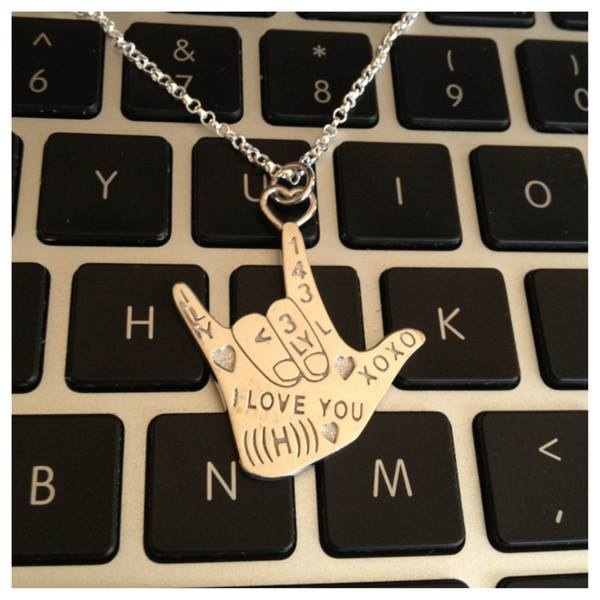
MeeoMiia came to us during 2013 to let us know that they were so inspired by our logo and wanted to use it as a basis for their newest LOVE necklace. We were thrilled! And, to celebrate we gave one as a giveaway to one of our subscribers!
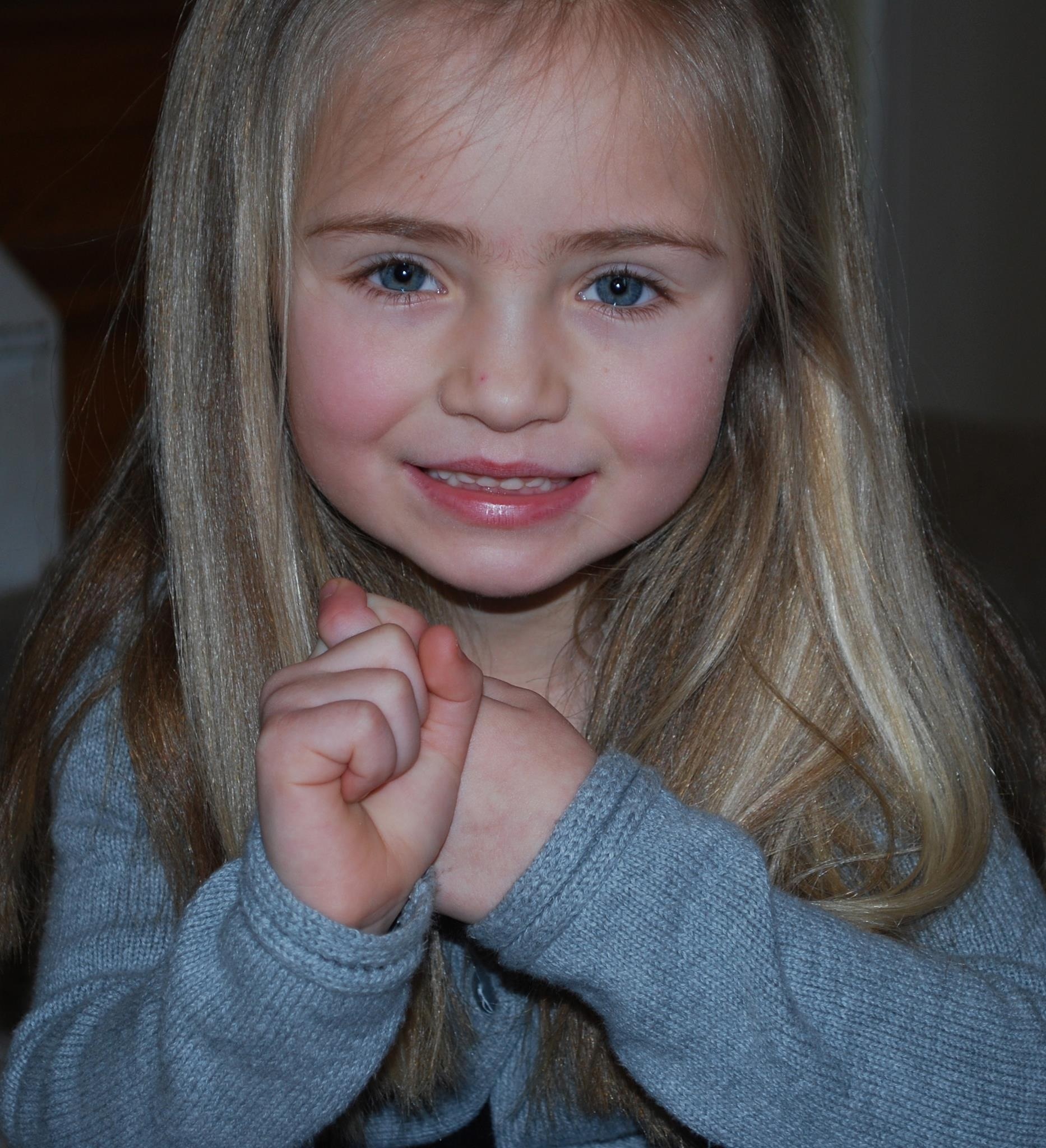
It seems that wherever life takes me, including to events viaOmgInsider or411 VOICES, I find people who are willing to take a few moments and give some love – ASL style. I posted some of my favorites photos below for you to enjoy!
It is no secret that social media overload can happen to anyone. I am humbled that you found your way to this little ‘ol blog and read it to the end. Feel free to add your blog url below or to comment. Thank you and…
If a hurricane hit your home today would have an evacuation plan? If you awoke in the middle of the night to the earth trembling and your home shaking violently- would you know what to do? Green skies are often the first warning of a tornado coming – where should you go? Dangerous chemicals were let in to the air following a train derailment near your home – would you know what to do and where to get credible information for either evacuation or sheltering in place?
It has been my privilege to work with disaster specialists throughout the United States. They work tirelessly on all of our behalf.
Therefore, in the interest of public safety I will be posting as series of articles about how to PREPARE for potential disasters AND also offer resources for you to learn more.
To start I would like to discuss two very REAL threats to our personal and property safety- earthquakes and tornadoes.
EARTHQUAKE PREPARATION
You may think that earthquakes are only on the west coast of the United States or in remote mountain regions of Asia. But, that simply is false. Earthquakes happen in almost every state in the US and throughout the world, from the islands of Japan to the mountains of China. In fact, earthquakes can occur anytime, anywhere. Just ask the people of Washington DC who experienced a good size earthquake of a magnitude of 5.8 in 2011 (The epicenter was in Virginia).
Click here to find your area and see if you are in a location of where more than one million registered earthquakes occurred this year. (Approximately 13,000 were a 4.0 magnitude or higher). States with the most earthquakes? Alaska and California have the most (no surprise) but you may not have thought of Utah as a top earthquake location?
So how can you prepare for an earthquake?
What to do during an earthquake? We use to think that standing in a doorway was the best idea. NOPE. What about running outside? Not the “A” answer, either. According to the United States Geological Service (USGS) the best idea is to DROP, ROLL UNDER something STURDY and HOLD ON! (View demo video here)
This new safety information is so important that an effort known as the SHAKE OUT will be conducted this coming Fall. What is SHAKE OUT? Simply it is a designated date and time where as many US and Canadian citizens participate in a mock “earthquake drill”. The SHAKE OUT drill will be on October 17th at 10:17 in the morning. (Interesting piece of trivia – October 17th is the anniversary date of the Oakland earthquake of 1989) To register your family or business for the drill or learn more click here.
Also relevant and related to earthquake safety is to learn about tsunamis. A tsunami is a wall of water that is created following an earthquake, meteor or other disruption to the ocean. A devastating tsunami hit Japan in 2011 and resulted in mass casualty and loss of property. (Read about recovery efforts here )
What to do if there is a tsunami?
Many coastal areas in the United States now have tsunami warning systems.
However, the most important thing to know about a tsunami is to prepare in advance as where you can that is safe, elevated and within fifteen minutes of your home. This packet of information was very helpful to understand tsunamis and be prepared: Tsunami Preparedness by NOAA
TORNADO PREPARATION
Tornadoes are a real and present threat to life and property. Like an earthquake, tornadoes can strike anywhere at any time. We only need to read the headlines of recent events to see how a tornado touching down for a few minutes can cause profound heartbreak. Moore, Oklahoma now joins the ranks of other towns, such as Joplin, Missouri, Granbury, Texas, as a place where giant tornadoes have pummeled through communities, schools and farmland.
How to prepare for a tornado?
What are considered the “best practices” if you know that you are in an area experiencing a tornado watch or warning? First, recognize the “signs” that a tornado is coming.
GREEN SKIES
DARKENING SKIES
HAIL
LOUD NOISE, described by some like a “freight train”
WARNING SIRENS or ALERTS RECEIVED
What should you do if you know a tornado is a true threat?
Take shelter immediately! Go to a basement, storm cellar, interior room or closet. Stay away from windows. Try to shield yourself from potential flying debris by having something over you. Be sure to have a cell phone (if possible), flashlight and battery operated radio with you. Here is more information about planning and safety from the CDC
What if your family member has special considerations, such as uses a wheelchair, has Autism or lives with Alzheimer’s?
There are many websites and videos (open and/or closed captioned for those with hearing loss) that can be of great assistance and a wealth of information . There are many sites to review, but these are some of my favorites.
In the next post we will discuss safety and preparation for Hurricane Season. Please feel free to share YOUR disaster preparation safety information below. Thank you
Update: Sadly tornado “season” has been wicked during 2015, therefore I am re – blogging this post that originally posted in 2013. At the bottom of this post are additional safety resources including for earthquake, flood, hurricane, tsunami and wildfire preparedness.
Today there have been a series of tragic tornadoes that have ripped through the heartland of America causing severe devastation, including loss of life. Some of the families impacted who have been impacted have family members with special needs.
In an effort to help families and communities who may have some unique challenges during disasters here is some information:
BEFORE A DISASTER
Be prepared. Alert your local fire department if you have a family member with special needs of any kind, such as physical, sensory, cognitive or other. Included would be family members with dementia, Alzheimer’s or medical problems.
Have a family plan for sheltering in place and evacuation.
Be sure to have an emergency kit in your home and car. To know what should be in your emergency kit go to the RED CROSS Disaster Information page.Don’t forget to add to your kit personal effects, such as your insurance information, copies of marriage and birth certificates and photos of your family members.
For families with children, especially with special needs, have a quick “grab and go” kit of favorite items and things you know will comfort your child during a time of distress. Stuffed animals, battery operated video games, and books or drawing pads all are good things to bring along. So, be prepared in advance with this GRAB AND GO KIT.
Let others know your plans if you need to evacuate. Where you intend to go and how you will try to check in.
WHAT TO DO IF DISASTER STRIKES
Many agencies including FEMA and the RED CROSS offer much information, including for for families with special populations.
GENERAL ASSISTANCE, including Access and Functional Needs Information:
RED CROSSdisaster safety checklist in multiple languges
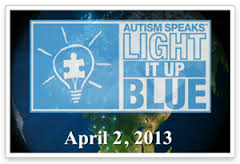
TOMORROW, April 2, 2013 isLIGHT IT UP BLUE for AUTISM AWARENESS. So, it is my pleasure to introduce you to SWEET CRUSH ICE, a Los Angeles based dessert company who will be helping to give back to the Autism community with every taste of their incredible low-fat dessert on this special commemorative day!
What makes this the perfect synergy is that SWEET CRUSH ICE is a healthy, low-fat dessert with gluten free, lactose free and sugar free options. It even is certifed Kosher. Flavors range from creamy vanilla, chocolate, espresso and coconut (to name a few) to non – dairy options such as guava, strawberry-lemonade (the kid favorite) and lychee (exquisite and so unique!)
I first met, Yael Lustman, owner of SWEET CRUSH ICE at an OSCAR party given by OMGInsider. This high energy entrepreneur impressed me so much with both her business savvy and her delicious sweet product that I invited her to be my guest on the 411 VOICESradio network SPOTLIGHT show. (Click here to listen to our interview). What I discovered is that Yael didn’t want to skimp on the taste of her shaved ice nor the quality of her storefront (Which rocks with non intrusive changing lights and ipads which take photos of happy customers!). All this truly shows from the moment you enter the SWEET CRUSH until you take the last bite of this naturally flavored shaved ice with oodles of toppings sprinkled with Asian flair! I thought it would make the prefect place for kid birthday parties or ladies’ night out.
During our interview I discovered that family and wanting to do “more in life” was what prompted this once Wall Street attorney to leave it all behind for the long hours and the trials and tribulations of owning a food based business. Yael shared her pearls of wisdom on air (won’t give away too much here), as she stressed that the smiles of people young and old and the versatility of owning a community shop gives her much joy and feelings of accomplishment. She also mentioned that without the power of social media she wouldn’t have met as many connections resulted in garnering the attention OMGInsider and the OSCAR committee.
If you are looking for a company that provides something yummy, healthy and has a heart for giving back to the community please check out SWEET CRUSH ICE. Address is below. Conveniently located next to Whole Foods in Brentwood.
Help them LIGHT IT BLUE for AUTISM on APRIL 2nd! A portion of their proceeds on this day will be donated to local Autism charity.
11753 San Vicente Blvd. · Los Angeles, California · 90049 MAP
This slideshow requires JavaScript.
Note: I received nothing more than a groovy t-shirt and free Sweet Crush Ice to sample in exchange for this blog.