It is summertime, which signals that millions of people will be driving, flying, cruising, or taking trains to destinations far from the comfort of their homes. For families, summer vacation can be thrilling and enjoyable, or it can feel overwhelming and stressful. Additionally, some families must plan with extra precautions and consideration, particularly those with members who have special needs, including autism.
I asked several experts and parents with special needs children where they would go (and how) to take a break from their day-to-day lives. These were the most popular responses:
AMUSEMENT PARKS
It was no surprise that Disney parks took the top spot for families who need accessibility services. Disney has been a platinum standard and offers a multitude of services. Their accessibility services for guests with disabilities website page – offers a plethora of information. There are dropdown categories for people with mobility challenges, neurodivergence (autism, ADHD, etc.), deafness, blindness/low vision, and how they welcome people with service animals. Each ” disability” category opens up to a comprehensive outline of what to expect, how to receive special services (such as an interpreter), and even an organizational planner and recommendation downloadable document.
If you don’t want to visit “The Mouse” and all his friends – then there are plenty more activities for families to enjoy around the globe!
Morgan’s Wonderland located in San Antonio, Texas, also was cited by several contributors, including financial coach, Randy Murrie. Known to be an “ultra-accessible” theme park, Morgan’s Wonderland offers this video and YouTube and a wonderful mission statement on their website:
“Morgan’s Wonderland is just like any other theme park except for a culture and environment that assures 100 percent enjoyment by every person entering the Welcome Center. Unfortunately, countless children and adults with special needs do not have access to facilities that enable them to enjoy outdoor recreation fully. Morgan’s Wonderland is changing that every day.“
Travel expert, Mariana Montes from Vibe Adventures has expertise in helping families. As a travel expert, writer, and a local tour guide for Vibe Adventure she specialized in spotlighting inclusive and accessible guided adventures. She has helped families with neurodivergent children to plan and enjoy successful vacations in Mexico. Montes commented, “Playa del Carmen has miles of family-friendly beaches, and its many resorts have facilities and features for families with special needs. Puerto Vallarta is another great option with a welcoming community and attractions that are stress-free and easy, including sensory-sensitive tours. The town of Todos Santos in Baja California Sur also wins praises for its welcoming feel, slower pace, and cultural options for families looking for a quieter atmosphere.“

Don’t overlook these theme parks and information to help you navigate them from the International Board of Credentialing and Continuing Education Standards – IBCCES!
LEGOLAND® has earned the International Board of Credentialing and Continuing Education Standards (IBCCES) to become a Certified Autism Center across Theme Parks, Water Park, and two on-site hotels. These parks are interactive, engaging, and fun for the whole family!
Marissa Sabrina, a mom to a child on the autism spectrum and the creative director for LeadLearnLeap, contributed to my query with two thumbs up for LEGOLAND, Florida. She commented, “Our favorite destination so far has been LEGOLAND Florida. They have a Hero Pass that accommodates kids with sensory and social challenges, letting you skip long lines, their staff is beautifully trained. Everything felt low-pressure and flexible—ideal for him.” She also suggested the organization Autism Double Checked for resources to help expand understanding within the tourism industry and prepare children on the spectrum for a vacation.
Curious about the IBCCES ACCESSIBILITY CARD (IAC)? Their Information can be found here with the website describing this card as follows: “The IAC is for anyone who is requesting accommodations – including but not limited to individuals who are autistic, use a wheelchair, are blind/low vision, deaf/hard of hearing, have mobility support needs, are accompanied by a service animal, have sensory sensitivities, cognitive disabilities, or have other needs and concerns.”
Other theme parks to consider:
SEA WORLD– their website is comprehensive with information, including about food allergens.
CEDAR POINT offers a plethora of services, including a quiet room, braille, and website information to help people with physical, sensory, and cognitive challenges.
Knott’s Berry Farm®, SIX FLAGS®, and HURRICANE HARBORS all belong to a consortium of adventure parks and adhere to the same standards and protocols CEDAR POINT in Sandusky, Ohio.


HERSHEY PARK– this theme park wins my award for the BEST SMELLING venue! Hints of chocolate and other scents travel through the air like a cloud of yumminess! This park offers a comprehensive description of its rides and accessibility.
And, Hershey Park’s size chart for their rides is ADORABLE! Are you a Twizzler? HERSHEY BAR?

NATIONAL PARKS, RV and CAMPING LIFE

DID YOU KNOW…
The United States National Park Service (NPS) has provided detailed information about their ACCESS PASS on their website. While I adore traveling abroad, I am equally captivated by the stunning beauty found in our national parks. The NPS has curated a wealth of resources for those looking to visit and ensure a memorable experience.
“The Access Pass is a free lifetime pass available to US citizens or permanent residents of the United States that have been medically determined to have a permanent disability (does not have to be a 100% disability). The Access Pass provides benefits at federal lands managed by six agencies, including free entrance to parks managed by the National Park Service that charge an entrance fee.” ( I pray this is a program that is not cut given recent funding issues.)
And what about camping and traveling by an RV?
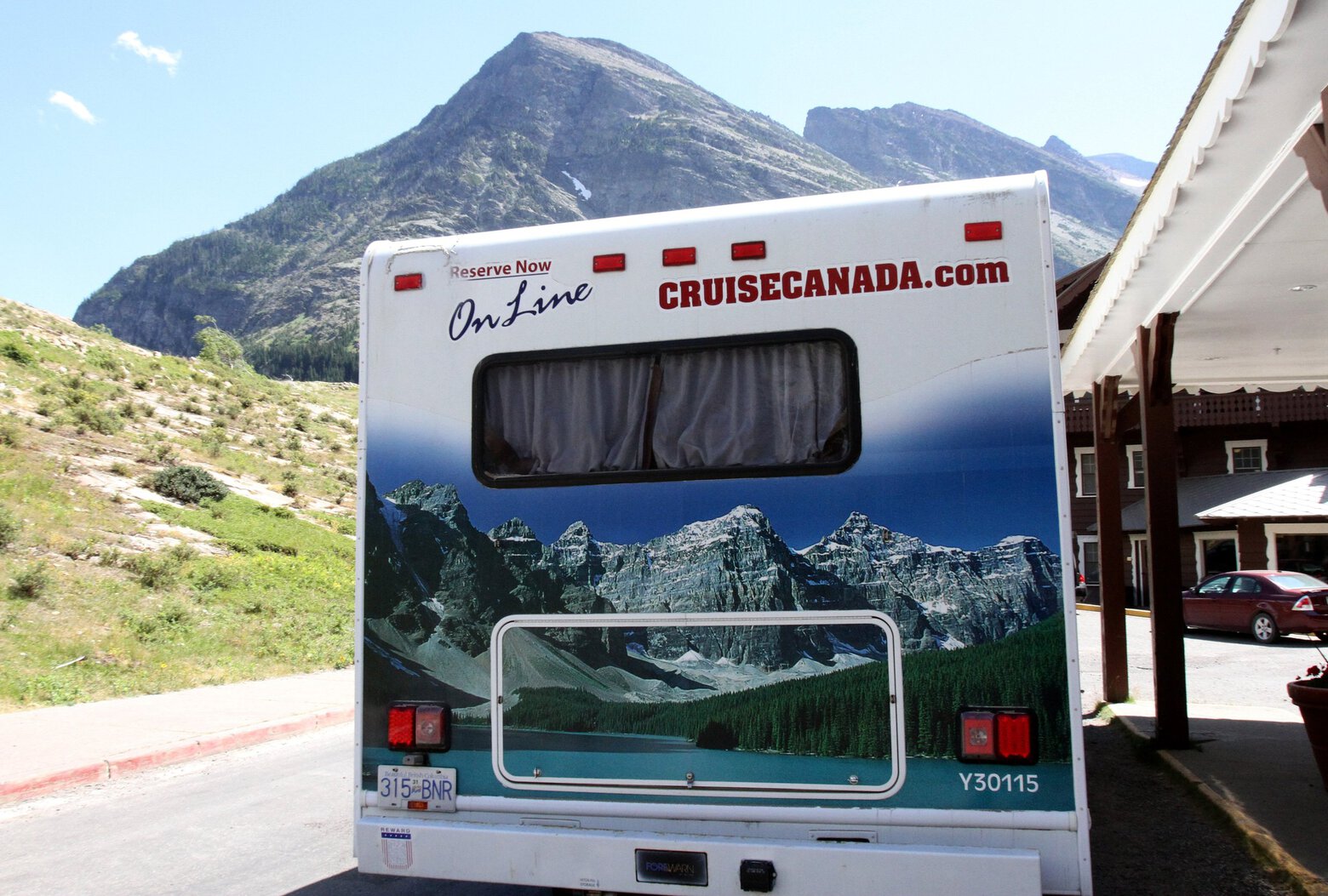
I am not much of a camper and have had limited experience with staying in an RV. But, I do see the value and benefits that both can provide for families who want to immerse themselves in nature and explore the “great outdoors”! I chronicled my RV experience on this blog.
Moreover, several parents noted that campgrounds provide an excellent alternative to theme parks and distant destinations. Some suggested renting an RV, while others prefer campgrounds where they can pitch tents or rent a cabin. Glamping is also an appealing option for those seeking the comforts of home amid a forest! The KOA website offers a variety of choices for RV and “traditional campers.” Additionally, this organization provides a 12 TIPS GUIDE for CAMPING with KIDS WITH DISABILITIES.
CRUISES
Cruising as an option for families to travel was mentioned by several query responders including Michelle, a mom who has several family members with autism.
Michelle shared the following about her cruising experience: “We’ve cruised on Royal Caribbean twice. The second time we cruised, we realized they had early boarding for special needs. Several in our family have autism and the onboarding usually causes a very uncomfortable, if not miserable, first day on board. Plus it can take a day or two to adjust back to our normal.
After submitting the special needs form, we were given information on how to do the early onboarding. They brought us to the front of the line and processed us immediately with almost no waiting. It started our vacation on the right foot with no wonkiness from our family.
Unfortunately, no one told us how to disembark and we ended up in a very long line to go home. Nonetheless, we were pleased with the service as it was the first time we had experienced any kind of extra assistance for special needs. We travel every summer and have never been offered this.”
Royal Caribbean does offer this information on its website regarding their accessibility protocols.

Autism of the Seas was mentioned by several as a company that helps with organizing vacations for adults and families living with Autism, Down Syndrome, and other related disabilities. Their interactive travel booklet spotlights all the perks of traveling on these well-appointed ships with a heart!
Steve Schwab, CEO of Casago. He elaborated by adding, “There is a great organization called “Autism on the Seas” that creates cruise services for families – adults and children alike – with members that have special needs. They provide accommodations such as special meal services, staff who have speciality training, autism-friendly activities, better mobility accommodations, and more. It is definitely worth looking into these cruises, as there are tons of options, too.”
What are your thoughts?
I believe that we can learn from each other. The power of the special needs community is enormous! So, go ahead and comment below with your favorite places to explore that offer accessible tourism options.
Coming soon- “must-have” travel items!